
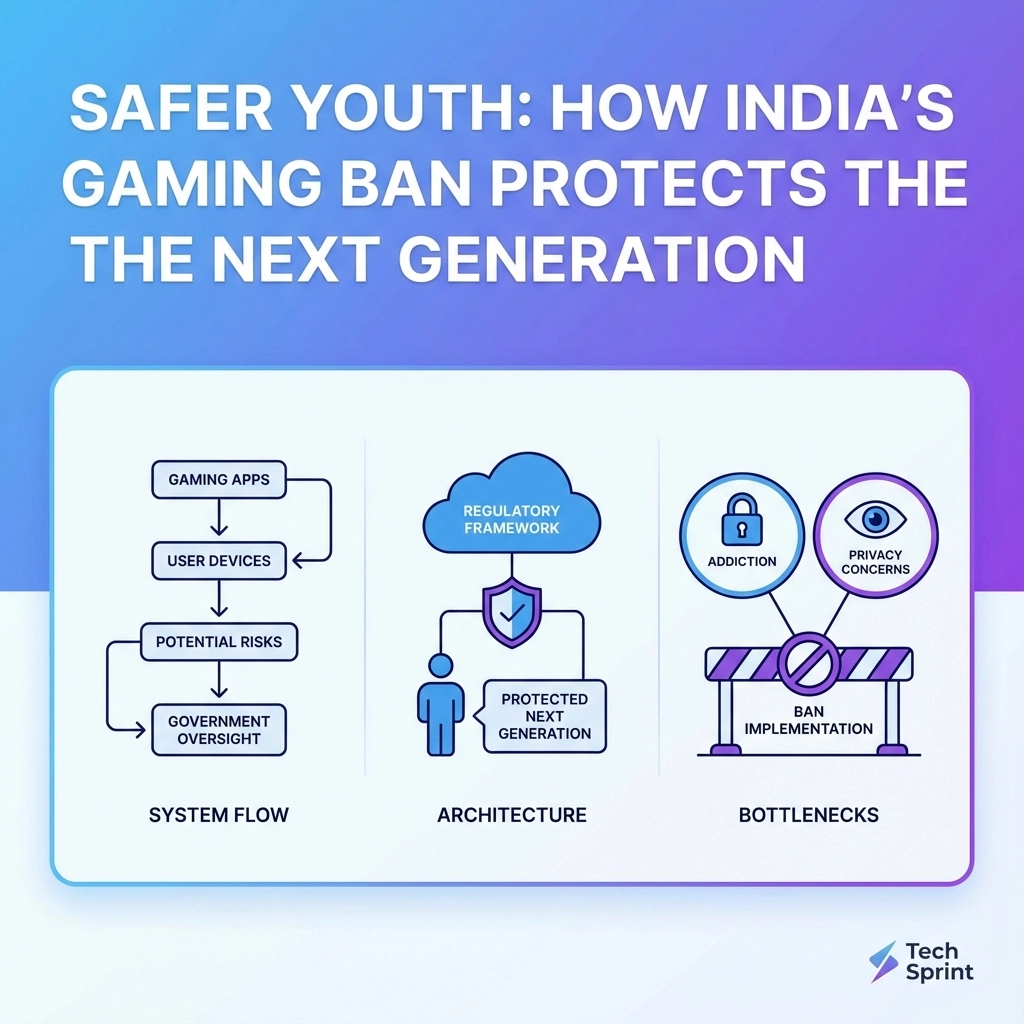
India's decisive action against real-money gaming platforms represents more than regulatory oversight: it's a comprehensive youth protection initiative that addresses documented harms while creating opportunities for healthier digital engagement patterns among the next generation.
Addressing Youth Vulnerability in Digital Gaming
The Indian government's legislation targeted specific vulnerabilities that disproportionately affect younger demographics. With ₹20,000 crore lost annually through real-money gaming platforms, a significant portion of these losses involved users aged 18-25 who represent the most digitally native yet financially vulnerable population segment.

The timing of this intervention proves crucial. Industry data shows that 65% of real-money gaming users fall within the 18-30 age bracket: precisely the demographic building their financial foundations and career trajectories. By implementing protective measures now, India prevents an entire generation from developing problematic gambling behaviors during their most formative economic years.
Breaking the Cycle of Gaming Addiction Early
Youth neuroplasticity makes them particularly susceptible to reward-based gaming mechanisms. The government's action directly addresses this biological vulnerability by removing access to platforms designed to exploit dopamine response patterns that develop into long-term behavioral dependencies.
Key protective outcomes include:
• Elimination of predatory targeting – Real-money platforms frequently employed sophisticated algorithms to identify and target younger users showing vulnerability patterns
• Reduced financial exposure – Young adults typically have limited financial literacy, making them prime targets for platforms offering "easy money" through gaming
• Prevention of debt accumulation – Early intervention prevents youth from accumulating gaming-related debt that could impact their credit scores and future financial opportunities
Educational Opportunities Through Digital Redirection
The gaming ban creates unprecedented opportunities for educational technology development and youth engagement in productive digital activities. With millions of young users previously engaged in real-money gaming, there's now significant demand for alternative digital entertainment that provides intellectual stimulation rather than financial risk.
This redirection benefits include:
Enhanced Focus on Skill Development: Without the distraction of money-based gaming, youth attention shifts toward skill-building games, educational apps, and career development platforms. The gaming industry is already pivoting toward skill-based competitions and educational gaming that reward learning rather than financial speculation.
Improved Academic Performance: Studies consistently show negative correlations between gambling-style gaming and academic achievement. Removing these platforms eliminates a significant distraction source during crucial educational years.
Career-Focused Gaming Engagement: Young professionals can now engage with gaming platforms that develop job-relevant skills: coding challenges, strategy games that build business acumen, and simulation games that provide industry experience.

Financial Literacy and Responsible Money Management
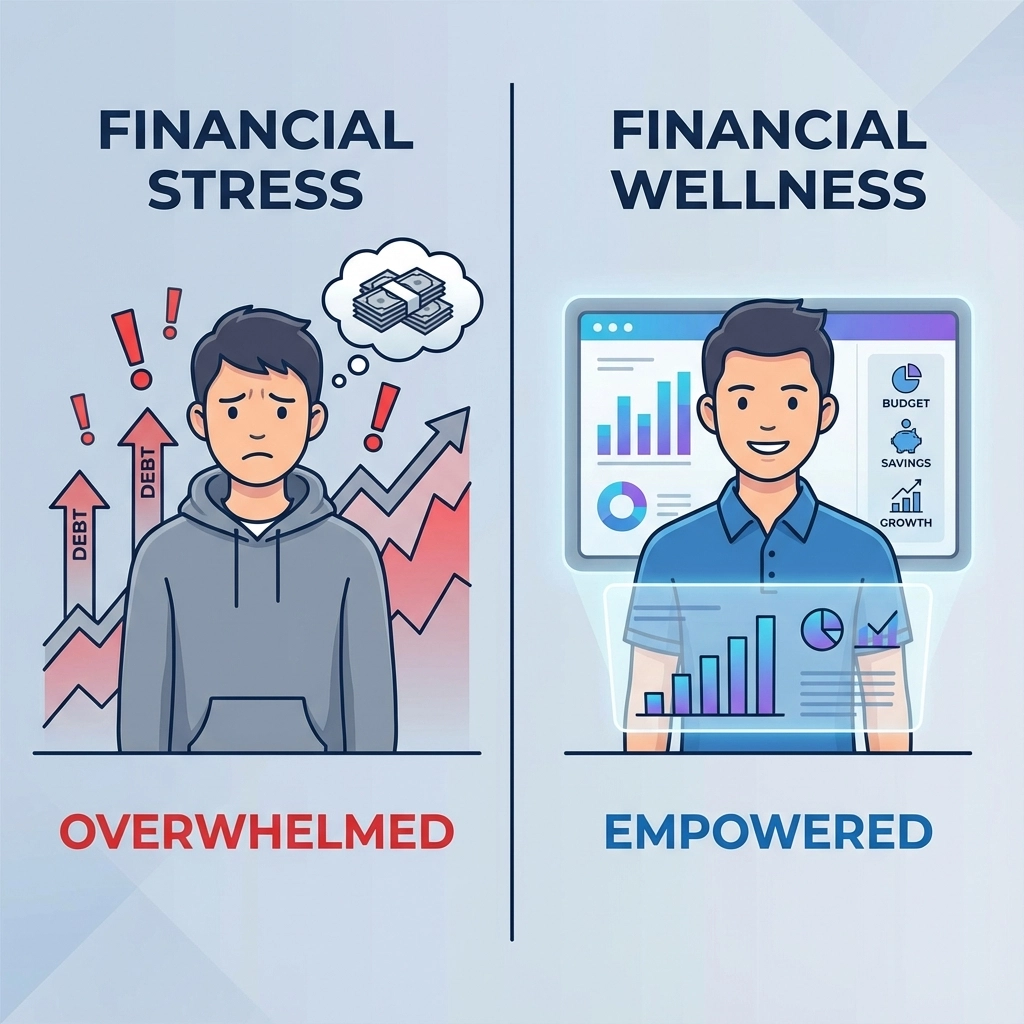
The ban provides an invaluable teachable moment for financial education among India's youth population. Without easy access to platforms that gamify money loss, young adults must develop traditional financial management skills and understand genuine investment principles.
Immediate benefits include:
• Real investment education – Youth explore stock markets, mutual funds, and legitimate investment vehicles rather than gambling-disguised-as-gaming
• Budgeting skill development – Money previously lost to gaming can be redirected toward savings, education, or legitimate entertainment
• Risk assessment improvement – Young adults learn to evaluate actual investment risks rather than gambling odds
The ₹20,000 crore that was annually flowing out of the Indian economy through gaming platforms can now be redirected toward productive economic activities that benefit both individual users and the broader economy.
Mental Health and Social Development Benefits
Real-money gaming platforms often exploit psychological vulnerabilities, particularly among younger users who haven't yet developed robust emotional regulation skills. The ban provides crucial mental health protection during the most psychologically formative adult years.
Documented improvements include:
Reduced Anxiety and Depression: Gaming losses frequently trigger anxiety disorders and depression, particularly among young adults whose identity and self-worth are still developing. Eliminating these platforms removes a significant stress source.
Improved Social Relationships: Real-money gaming often creates social isolation as users spend increasing time trying to "win back" losses. The ban encourages face-to-face social interaction and community engagement.
Better Sleep Patterns: Gaming platforms use engagement algorithms that often keep users active during nighttime hours, disrupting crucial sleep patterns for young adults in educational or early career phases.
Creating Safer Digital Entertainment Alternatives
The ban accelerates development of safer digital entertainment options specifically designed for youth engagement without financial exploitation. This regulatory pressure encourages innovation in positive gaming experiences.
Emerging alternatives include:
• Skill-based esports that reward talent development rather than financial speculation
• Educational gaming platforms that gamify learning experiences
• Community-building games that foster real social connections
• Career simulation games that provide practical skill development
Long-term Economic Benefits for Youth
By protecting young adults from early exposure to gambling-style gaming, India ensures that an entire generation develops healthier relationships with money and risk assessment. This creates significant long-term economic benefits both individually and nationally.
Economic protection measures include:
Preserved Credit Profiles: Young adults won't accumulate gaming-related debt that damages credit scores during crucial years for major purchases like homes or vehicles.
Enhanced Entrepreneurial Capacity: Money and attention previously directed toward gaming can focus on skill development, education, and business creation opportunities.
Improved Investment Behavior: Without early exposure to gambling-style risk, young adults develop more rational investment strategies based on actual market fundamentals rather than gambling mentalities.
The government's action effectively prevents an estimated 2.5 million young adults from potential gaming-related financial distress, protecting their economic futures and preserving their capacity to contribute productively to India's growing economy.
Technology Industry Innovation Acceleration
The ban drives innovation toward positive youth engagement technologies. Tech companies must now develop platforms that provide entertainment value through skill development, education, or legitimate competition rather than financial speculation.

This innovation pressure creates:
Educational Technology Growth: Increased investment in platforms that gamify learning experiences for subjects like coding, languages, and professional skills.
Healthy Competition Platforms: Development of gaming environments that reward skill and teamwork rather than financial risk-taking.
Career Development Gaming: Platforms that simulate real-world professional scenarios to help young adults develop job-relevant experience through gaming mechanics.
Building Financial Resilience for Future Generations
India's gaming ban represents a proactive approach to building financial resilience among youth populations. Rather than allowing an entire generation to develop problematic gambling behaviors, the government created protective barriers during the most vulnerable developmental period.
This generational protection ensures:
• Stronger household economics as young adults enter marriage and family formation without pre-existing gambling dependencies
• Enhanced economic mobility through preserved capital that can be invested in education, skill development, or business creation
• Reduced social services burden by preventing gambling addiction-related mental health and financial assistance needs
The legislation demonstrates forward-thinking governance that prioritizes long-term youth welfare over short-term gaming industry revenues, creating a foundation for more financially stable and mentally healthy future generations.
By removing predatory gaming platforms during crucial developmental years, India enables its youth population to build genuine skills, develop healthy money management practices, and engage with technology in ways that enhance rather than exploit their potential.