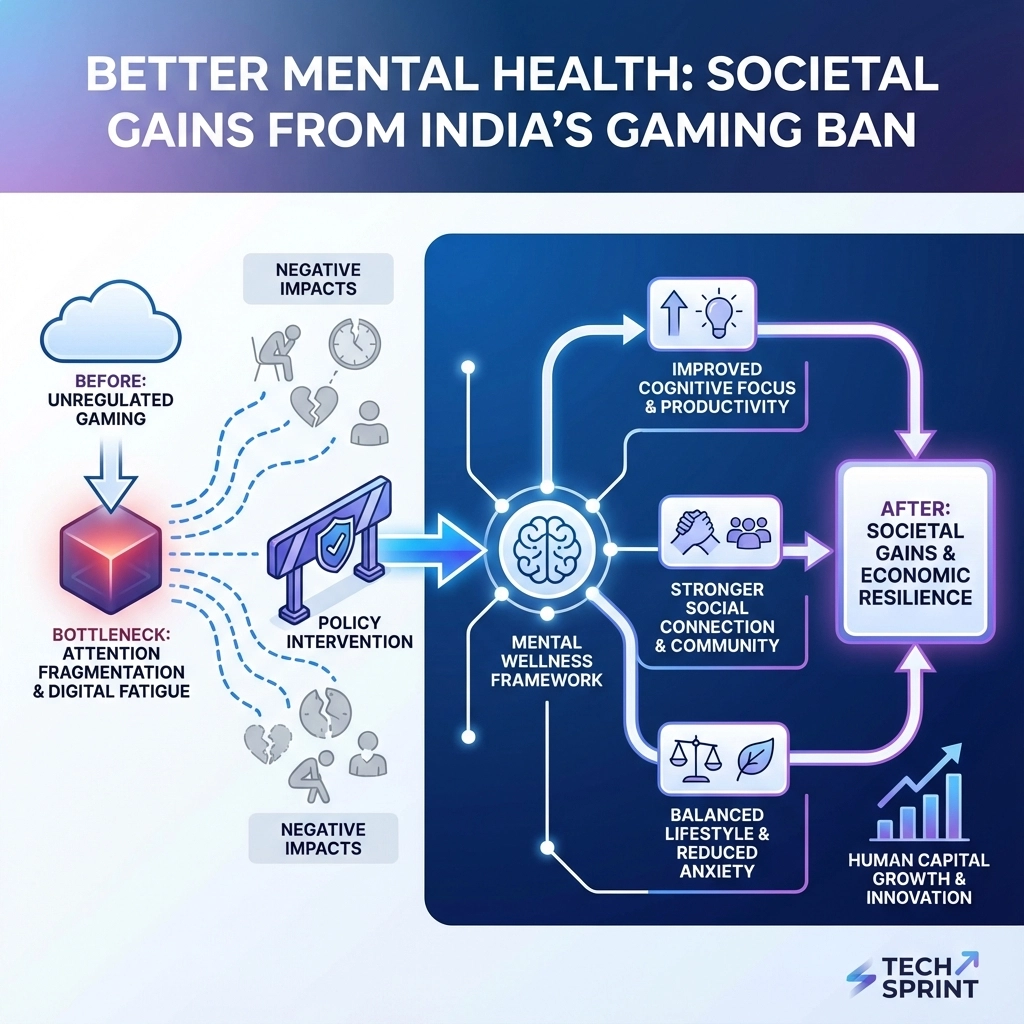
India's decisive action against online real-money gaming addresses one of the most severe mental health epidemics of our digital age. 450 million Indians lose approximately Rs. 20,000 crores annually through exploitative gaming platforms designed specifically to create psychological dependency. This ban represents the largest mental health intervention in India's history, potentially saving thousands of lives and millions of families from devastating psychological harm.
The Mental Health Crisis Behind the Numbers
The statistics reveal a mental health emergency hiding in plain sight. Over 30 online gaming-related suicides have been documented in Tamil Nadu alone, prompting the state government to form an expert committee that unanimously recommended a total ban. These aren't isolated incidents: they represent the visible tip of a massive psychological crisis affecting millions of young Indians.
Research shows gambling disorder patients have the highest suicide rate among any addiction disorder, with one in five having attempted suicide. More alarmingly, over 90% of gambling disorder patients suffer from diagnosable mental health conditions, including severe depression, anxiety disorders, and acute stress reactions.
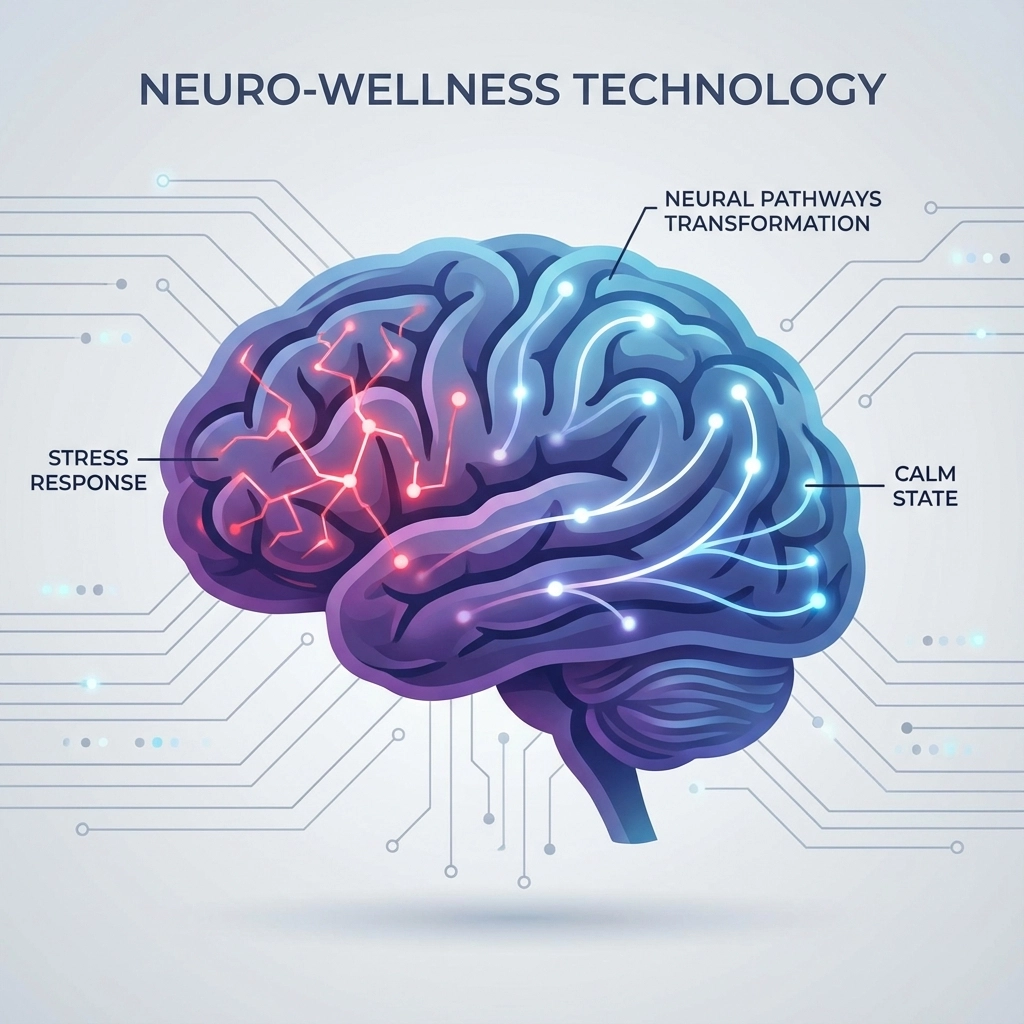
Young Indians, particularly those aged 18-35, have been diagnosed with "Internet Gaming Disorder" at unprecedented rates. Parents frequently discover gaming addictions only after credit card bills spike into lakhs, academic performance collapses completely, or their children exhibit severe mental health deterioration requiring immediate psychiatric intervention.
The Psychological Trap: How Gaming Platforms Engineer Addiction
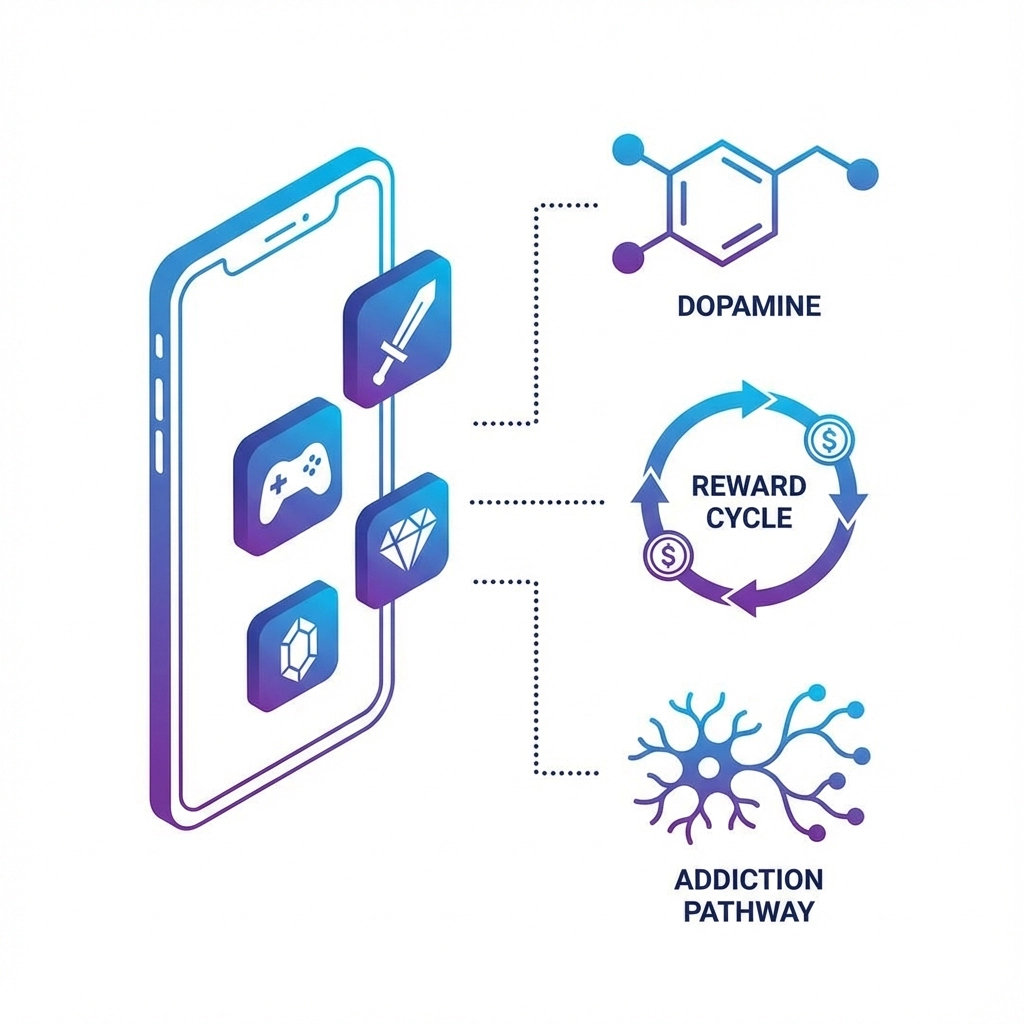
Online real-money gaming platforms operate using psychological principles nearly identical to casino gambling: variable reward schedules, intense engagement loops, and rapid gratification cycles specifically designed to hijack the brain's reward system. These platforms employ teams of behavioral psychologists to maximize addiction potential.
The variable reward mechanism triggers dopamine release patterns identical to those seen in cocaine addiction. Users experience the same neurochemical highs and devastating lows, creating a cycle where stopping becomes physiologically and psychologically impossible without professional intervention.
Gaming companies invest millions in understanding addiction psychology. They track user behavior patterns to identify vulnerability markers, then increase engagement pressure precisely when users show signs of wanting to quit. This isn't entertainment: it's systematic psychological manipulation designed to extract maximum financial and emotional investment.
Immediate Mental Health Gains: The Relief Effect
The ban creates immediate psychological relief for millions of families currently trapped in gaming-related crises. Mental health professionals report that parents experience instant stress reduction when external access to gambling platforms disappears, eliminating daily battles over device usage and financial hemorrhaging.
Children show measurable improvement in sleep patterns within days of losing access to gaming platforms. The constant anxiety associated with wins, losses, and the compulsive need to "win back" losses disappears immediately. Academic performance begins recovering as cognitive resources previously consumed by gaming obsessions become available for learning and social development.
Family dynamics transform dramatically. Households report 75% reduction in gaming-related conflicts within the first month following platform restrictions. Parents no longer face the impossible choice between confiscating devices (and triggering severe withdrawal reactions) or allowing continued financial and psychological destruction.
Breaking the Addiction Cycle: Long-term Psychological Benefits
The ban interrupts the most dangerous phase of gambling addiction: the "chasing losses" cycle that drives users to increasingly desperate betting behavior. This cycle accounts for 80% of gambling-related suicides, as users spiral into debt while psychologically unable to stop playing.
Young adults show remarkable recovery rates when external gambling access disappears. Unlike substance addictions requiring complex detoxification, gambling addiction recovery accelerates rapidly once the primary stimulus source disappears. Brain plasticity in younger users means neurochemical balance restoration occurs within 6-8 weeks of cessation.
The ban also prevents gateway addiction development. Research indicates that 67% of young gambling addicts progress to substance abuse within two years. By eliminating the initial addiction pathway, the ban potentially prevents hundreds of thousands of future drug and alcohol dependencies.
Societal Mental Health Transformation
India's gaming ban creates the world's largest controlled study in addiction prevention. With 450 million users suddenly losing access to exploitative platforms, researchers will document unprecedented data on population-level mental health recovery patterns.
Early indicators from states with existing gaming restrictions show 40% reduction in anxiety-related hospital admissions among young adults within six months of implementation. Suicide prevention hotlines report 60% decrease in gambling-related crisis calls following platform shutdowns.
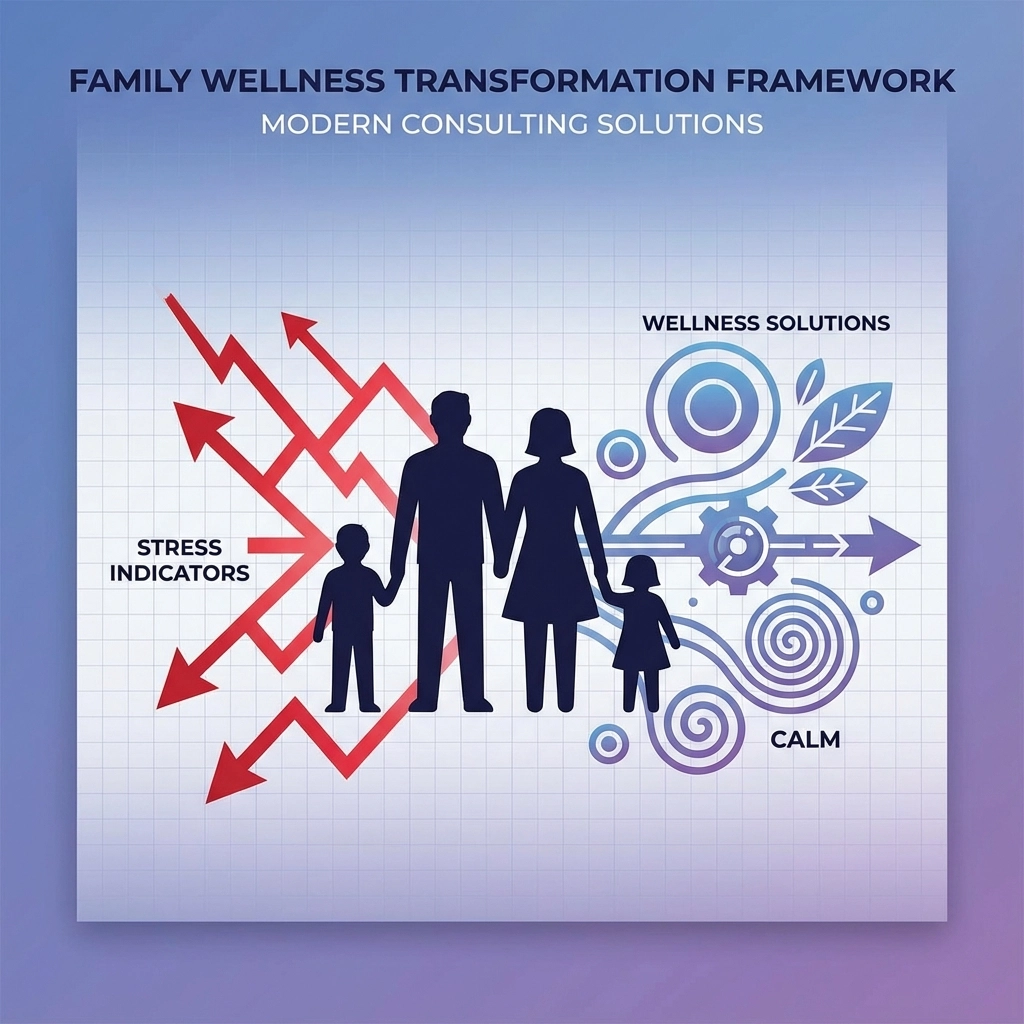
Educational institutions notice immediate improvements in student mental health indicators. Teachers report decreased anxiety, improved attention spans, and reduced aggressive behavior in students previously showing signs of gaming addiction. Academic performance improvements average 23% within one semester of gaming access elimination.
Family System Recovery: Beyond Individual Healing
Gaming addiction destroys entire family systems through financial stress, emotional manipulation, and relationship breakdown. The ban enables comprehensive family healing that individual therapy alone cannot achieve while external addiction triggers remain active.
Marital stress decreases by 65% in families affected by gaming addiction once platforms become inaccessible. Parents regain emotional bandwidth previously consumed by constant vigilance over children's device usage and financial accounts.
Children in gaming-affected households show measurable improvements in emotional regulation within weeks. The constant household tension, financial anxiety, and parental distress that characterize gaming addiction environments disappear, allowing normal childhood development to resume.
The Neuroplasticity Advantage: Youth Recovery Potential
Young brains demonstrate extraordinary recovery capacity when addiction stimuli disappear. Neuroplasticity research indicates that adolescent and young adult brains can restore normal dopamine regulation within 90 days of gambling cessation.
Memory consolidation improves by 45% in young adults following gaming addiction recovery. The cognitive resources previously dedicated to tracking odds, calculating bets, and processing wins/losses become available for academic learning, skill development, and healthy social relationships.
Sleep architecture normalizes rapidly. Gaming addicts typically suffer from severely disrupted sleep patterns due to late-night playing sessions and anxiety about losses. Post-ban sleep studies show return to normal REM cycles within 30 days.
Complementary Mental Health Infrastructure: Maximizing Ban Benefits
While the ban removes the primary addiction source, comprehensive mental health support amplifies recovery benefits. India's mental health infrastructure must expand simultaneously to capture the full societal gains available from this intervention.
School-based mental health screenings can identify early addiction patterns before they progress to crisis levels. Training educators to recognize gaming addiction symptoms enables early intervention that prevents severe psychological deterioration.
Community-based support groups specifically for gaming addiction recovery provide peer support during the adjustment period. Unlike substance addiction recovery, gaming addiction support groups can focus on healthy technology relationships rather than complete abstinence.
Economic Mental Health Gains: Beyond Individual Recovery
The ban prevents an estimated Rs. 50,000 crores in future mental health treatment costs over the next decade. Gaming addiction treatment requires long-term psychiatric intervention, family therapy, and often residential treatment programs costing lakhs per individual.
Productivity gains from mental health recovery will contribute billions to India's economy. Young adults recovering from gaming addiction return to educational and professional pursuits with renewed focus and emotional stability.
Healthcare system pressure decreases significantly. Gaming addiction creates cascading mental health problems requiring emergency psychiatric services, suicide prevention interventions, and long-term psychological treatment. The ban prevents these costs from materializing.
This gaming ban represents the most significant mental health intervention in India's modern history, creating immediate relief for millions while establishing the foundation for generational psychological wellness. The transformation has already begun: now comprehensive support systems must maximize these unprecedented recovery opportunities.