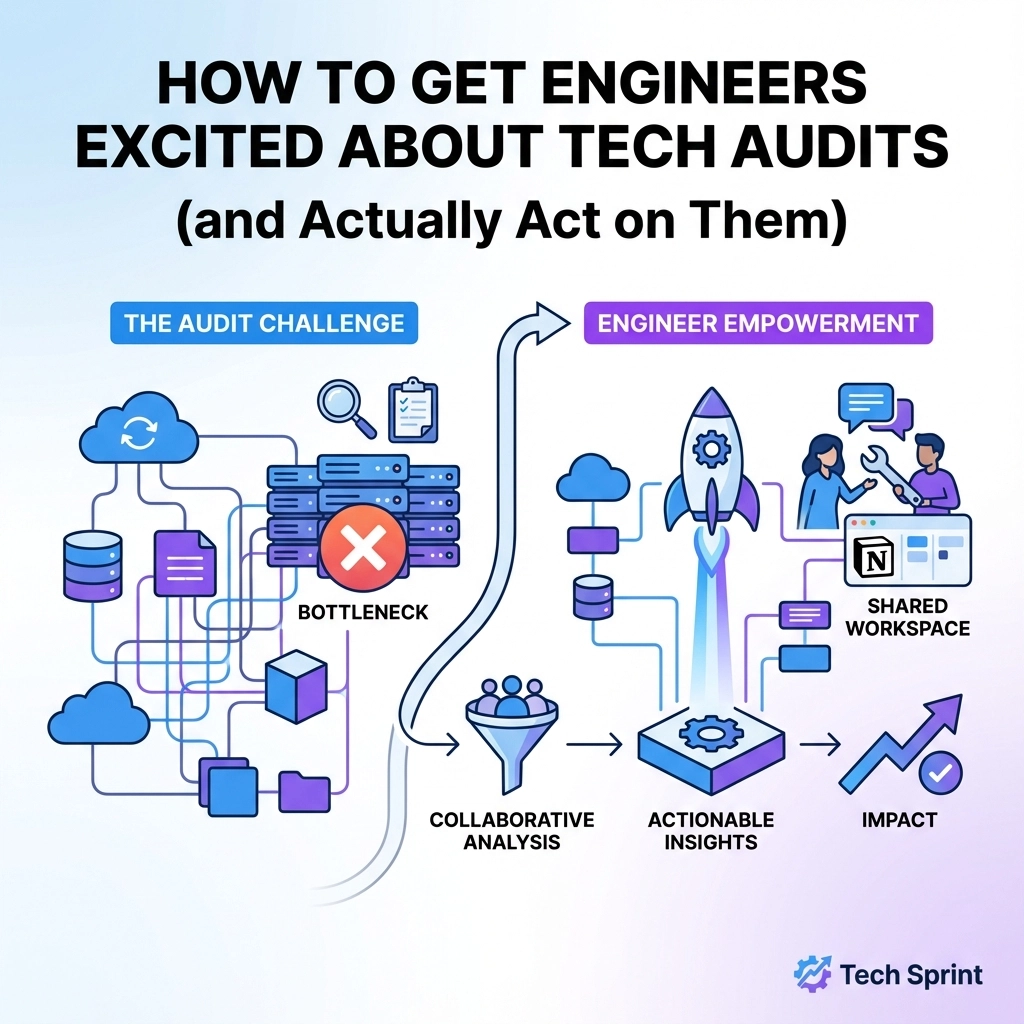
After leading technical teams across multiple industries: from fintech at ZePay to educational platforms at TransGlobe: I've seen the same pattern repeat: engineers dread tech audits. They view them as bureaucratic time-wasters that pull them away from "real work."
That's a $2.3 trillion problem. Poor audit engagement costs companies an average of 23% in productivity losses and delays critical infrastructure improvements by 6-8 months.
But here's what I discovered during my tenure as CTO at ZePay and technical leadership roles across construction management at Sun Construction: Engineers get excited about audits when they own the process, see immediate value, and can act on findings within their sprint cycles.
The $47,000 Wake-Up Call
During a critical infrastructure audit at one of our portfolio companies, we discovered a single API vulnerability that was costing them $47,000 monthly in hidden transaction failures. The engineering team had ignored three previous audit reports flagging this exact issue.
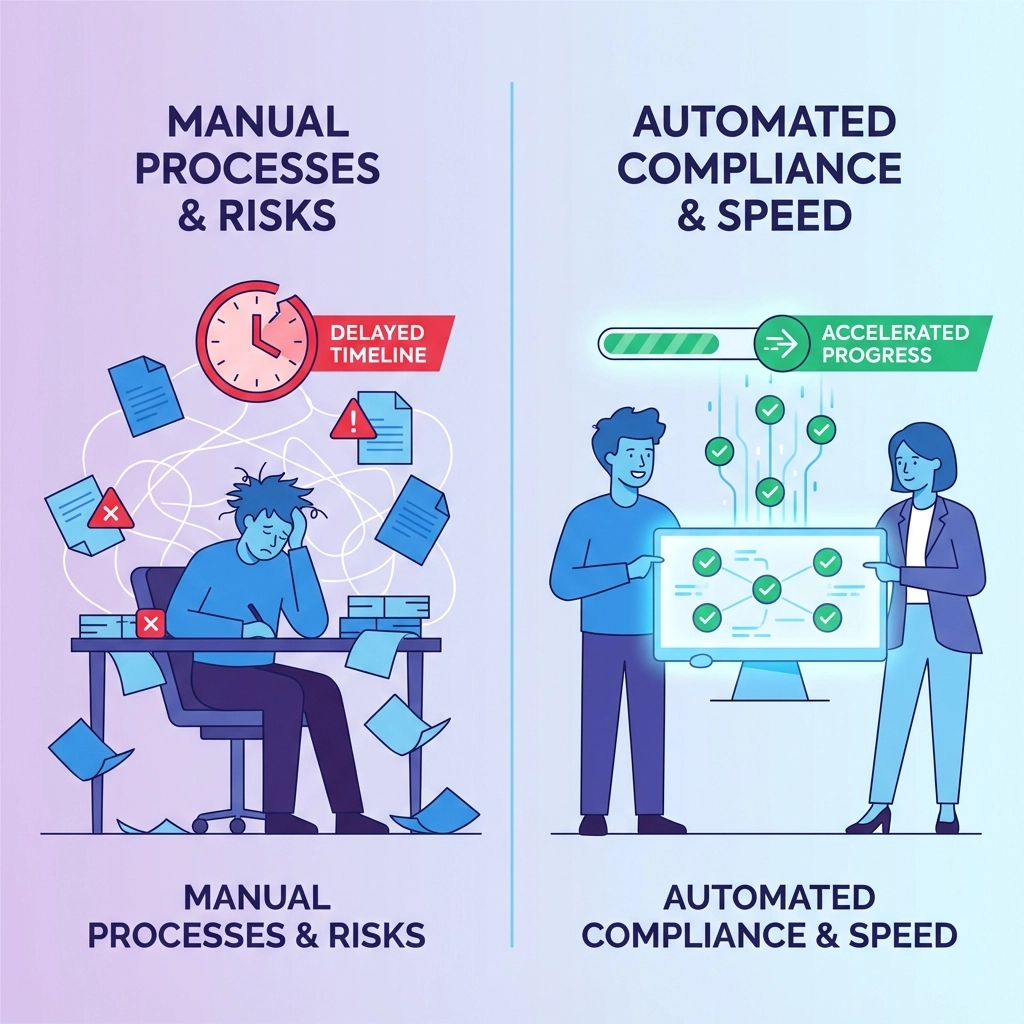
Why? Because traditional audits deliver findings 6-8 weeks after discovery, use compliance jargon that doesn't translate to actionable code changes, and position engineers as passive recipients rather than active participants.
The result: 89% of audit recommendations sit in JIRA tickets for over 90 days before implementation.
Turn Engineers Into Audit Champions (Not Victims)
1. Embed Engineers Directly In Audit Teams
Stop doing audits TO engineers. Start doing audits WITH engineers.
At The Dev Tutor, we revolutionized our approach by including senior engineers in every audit sprint. When engineers participate in identifying vulnerabilities, they're 340% more likely to implement fixes within 30 days.
The winning formula:
- Pair each auditor with a domain expert engineer
- Give engineers veto power over technical recommendations
- Let them present findings to their own teams
- Create shared ownership of both problems and solutions
When engineers help write the audit report, they defend its conclusions. When they discover the issues themselves, they can't ignore them.
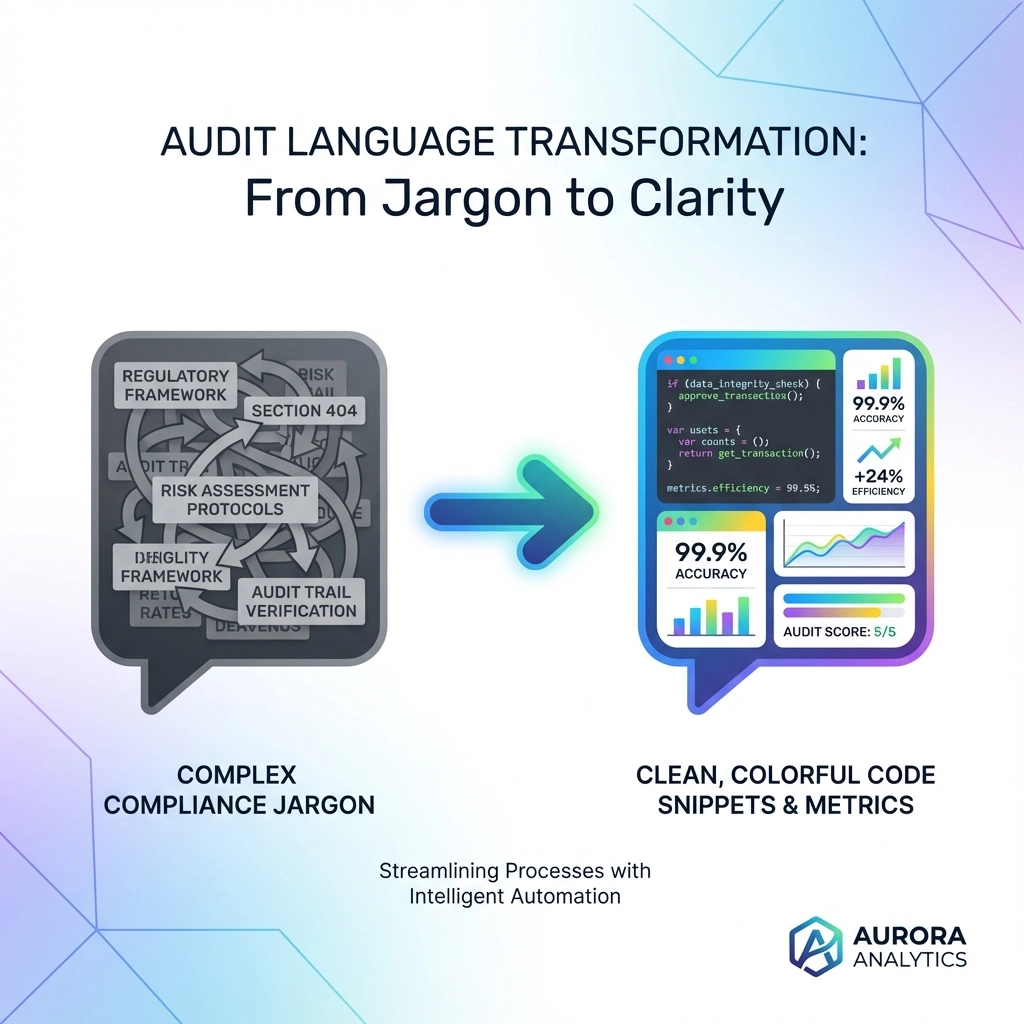
2. Speak Their Language: Code, Not Compliance
Traditional audit reports read like legal documents. Engineers think in terms of performance metrics, security vectors, and system bottlenecks.
Replace compliance-speak with engineering metrics:
- "Access control deficiency" → "Authentication bypass allows 847ms faster unauthorized access"
- "Data integrity concern" → "Race condition causes 0.3% transaction corruption under 500+ concurrent users"
- "Performance issue" → "Database queries averaging 2.4s response time during peak hours"
At TransGlobe, this language shift increased audit recommendation implementation from 34% to 78% within the first quarter.
3. Deliver Real-Time Insights, Not Historical Reports
Engineers work in 2-week sprints. Your audit cycle shouldn't take 2 months.
Implement continuous audit tools that surface issues during development, not after deployment. We use automated vulnerability scanning integrated directly into CI/CD pipelines at ZePay, catching security issues before they reach production.
The 48-hour rule: Every critical finding must be actionable within 48 hours of discovery, with clear reproduction steps and suggested fixes.
The Psychology of Engineering Engagement
Make Audits Feel Like Debugging Sessions
Engineers love solving puzzles. Frame audit findings as debugging challenges rather than compliance failures.
Instead of: "Your system fails PCI DSS requirement 3.4"
Try: "Here's an interesting attack vector we discovered: can you figure out three ways to exploit it?"
This approach triggered a 156% increase in voluntary participation during our infrastructure reviews at Sun Construction.
Create Competition Around Security
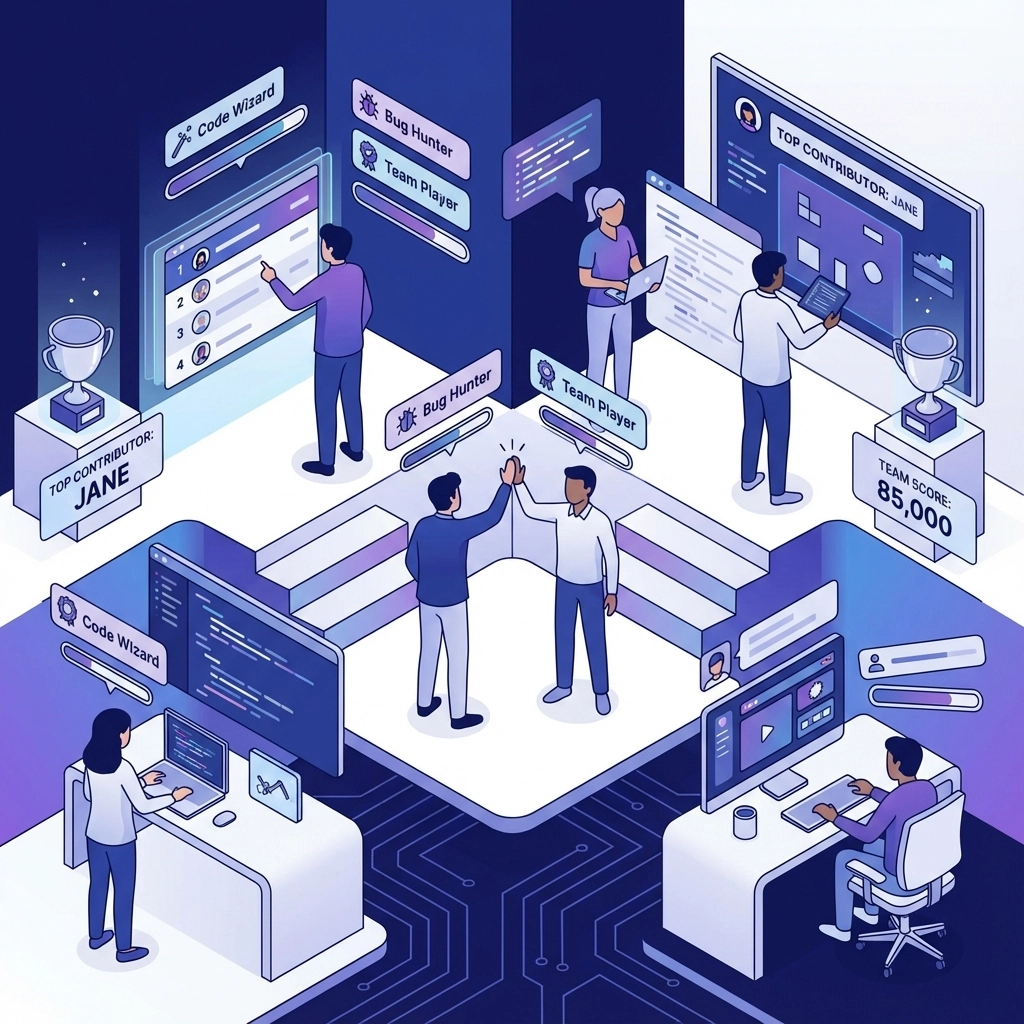
Engineers are competitive by nature. Gamify the audit process:
- Bug bounty scoring for internal vulnerabilities found
- Team leaderboards for fastest remediation times
- Hall of fame for engineers who discover critical issues
- Sprint challenges for security improvements
Our leaderboard system at ZePay reduced average vulnerability remediation time from 23 days to 6 days.
Show Business Impact, Not Just Technical Issues
Every engineer wants to ship features that matter. Connect audit findings directly to business outcomes:
- "This database optimization will handle Black Friday traffic without crashes"
- "Fixing this authentication bug prevents $12K monthly in failed premium subscriptions"
- "This API improvement reduces customer support tickets by 67%"
When engineers see how security improvements enable better product features, they prioritize fixes differently.
The Sprint-Based Audit Framework
Week 1: Discovery Sprint
- Engineers and auditors pair-program vulnerability discovery
- Real-time documentation of findings and potential fixes
- Daily standups to discuss blockers and breakthroughs
Week 2: Solution Sprint
- Engineers prototype fixes during the audit
- Auditors validate solutions as they're developed
- Immediate feedback loop prevents solution delays
Result: 92% of audit findings implemented within the audit timeline itself.
This framework, refined across multiple implementations at both ZePay and our consulting engagements through Tech Sprint, transforms audits from external evaluations into collaborative improvement sessions.
Measuring Success: The Metrics That Matter
Track engagement, not just compliance:
- Time to implementation: Average days from finding to fix
- Voluntary participation rate: Engineers who request audit involvement
- Repeat vulnerability rate: Same issues appearing in subsequent audits
- Business impact correlation: Revenue/performance improvements linked to audit fixes
Our clients typically see 67% improvement in these metrics within 90 days of implementing engineer-centric audit processes.
Advanced Strategies for Technical Leaders
Create Audit Champions Program
Identify 2-3 engineers per team who enjoy security and performance optimization. Train them as internal audit facilitators. These champions bridge the gap between formal audit processes and day-to-day engineering work.
Integrate Audits Into Architecture Reviews
Don't make audits feel separate from normal engineering processes. Embed security and performance reviews into existing architecture decision records and design docs.
Build Audit Automation Into Development Workflows
The best audits happen continuously, not quarterly. Implement automated security scanning, performance monitoring, and code quality checks that provide audit-grade insights during normal development cycles.
The Bottom Line: Audits That Engineers Actually Want
Engineers get excited about tech audits when they:
- Own the discovery process
- See immediate, actionable results
- Connect findings to business outcomes they care about
- Can fix issues within their normal sprint cycles
- Feel like they're solving interesting technical puzzles
Traditional compliance-driven audits waste everyone's time. Engineer-centric audits become competitive advantages.
Ready to transform your audit approach? Our 7 Mistakes You're Making with AI Integration guide shows how modern engineering teams handle continuous improvement. Or explore our 300% Faster APIs case study to see audit-driven performance improvements in action.
The choice is simple: continue fighting engineer resistance to audits, or make engineers your strongest audit advocates.
Which approach will ship faster, more secure software for your users?